An Antiwar.com report by Kyle Anzalone cites Ecuadorian officials and wire services to place US Army Special Forces alongside local forces in Ecuador—and highlights a separate New York Times account that a high-profile raid hit a dairy farm, not a drug lab.
Local official puts US Special Forces in Esmeraldas
Antiwar.com reports that Esmeraldas Provincial Governor Juan Jaramillo told AFP and UPI that American Green Berets have been conducting direct anti-cartel operations in the province. “We are with the 7th (Special Forces) Group of the US Army. We are working together in the fight against narcoterrorism,” Jaramillo said, per those outlets as cited by Antiwar.com.
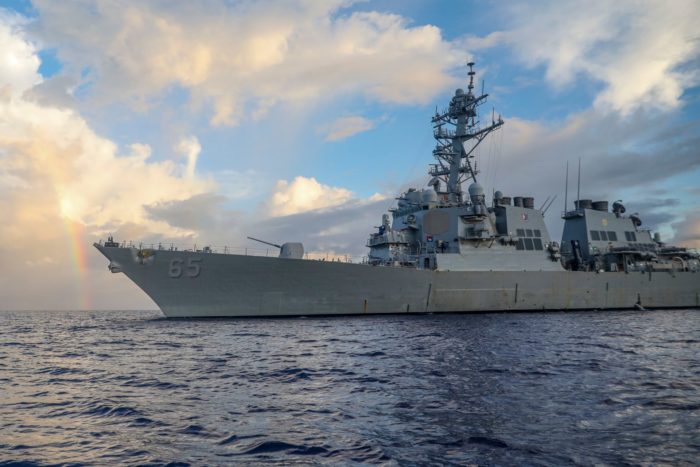
According to the same Antiwar.com report, Ecuador’s Defense Minister Gian Carlo Loffredo said two US warships were operating in the region.
‘Shield of the Americas’ and joint March raids
Antiwar.com attributes to former President Donald Trump the creation of a regional anti-cartel coalition called Shield of the Americas and says Ecuador is a member. It adds that in March, the US and Ecuador carried out joint military actions against alleged drug targets. In a statement after one raid, US Southern Command said, “The operations are a powerful example of the commitment of partners in Latin America and the Caribbean to combat the scourge of narco-terrorism,” per Antiwar.com.
NYT: strike destroyed a dairy farm, not a drug lab
The New York Times separately reported that the operation in question “appears to have destroyed a cattle and dairy farm, not a drug trafficking compound,” citing interviews with the farm’s owner, several workers, human rights lawyers, and local leaders in San Martín, according to the Times as quoted by Antiwar.com.
Operation Southern Spear and lethal maritime strikes
Antiwar.com links the Ecuador activity to a broader campaign it calls Operation Southern Spear. The outlet reports that Trump ordered an expansion of US military operations targeting narcotics flows in Latin America, with dozens of airstrikes on suspected drug boats in the Caribbean and Eastern Pacific. According to Antiwar.com, these strikes have sunk over 60 vessels and killed more than 200 people. The White House, per Antiwar.com, has asserted the boats were operated by narco-terrorists attempting to smuggle fentanyl, though Antiwar.com says the administration has not publicly provided evidence to support that claim and notes some families of the dead described the victims as fishermen.
Impact questioned
Antiwar.com cites a Washington Post report that reviewed a DEA assessment finding no change in the amount or price of cocaine entering the US after the maritime strikes. The outlet also says US military officials told Congress the operations had no impact on cocaine purity.
What’s established—and what isn’t
Based on Antiwar.com’s account: an Ecuadorian governor publicly referenced joint work with the US Army’s 7th Special Forces Group; Ecuador’s defense minister mentioned US warships nearby; and US Southern Command framed March operations as part of regional cooperation against narco-terrorism. The New York Times report raises a direct challenge to at least one target characterization, describing a destroyed dairy farm rather than a drug lab.